Cricket is more than scores of runs, wickets, and catches.
Cricket is a game of the mind. Players have to face multiple pressures: scoring large targets, bowling under tension, fielding under pressure, or captaining teams.
Being strong mentally will make the difference between a commoner and a legend. Calm nerves, persistence, patience, and self-control will help players deliver under T20, ODIs, and Tests.

Cricket is something else. Seriously, it’s not just about hitting sixes, taking wickets, or those jaw-dropping catches you see on TV. If you’ve ever played—or even just watched for hours—you know the toughest battles aren’t on the pitch. They’re in your head. Talent? Yeah, that helps. Skill? Sure. But if your mind freezes under pressure… forget it. That’s the real difference between a good player and a legend.
I remember a match years ago. Team chasing a huge total. Wickets falling like dominoes. Stadium packed. Crowd screaming. Players panicking. And then… Dhoni walks in. Calm. Cool. Thinking two steps ahead. You could literally feel the shift in energy. That moment taught me something important—being fearless isn’t the point. Great players feel pressure. They just don’t let it control them.
Pressure doesn’t always shout. Sometimes, it sneaks in quietly. You walk onto the field after early wickets, bowl the final over in a nail-biting T20, or return to bat after a rough patch. That’s when cricket stops being just a game—it becomes a mental battlefield.
Understanding Pressure in Cricket:
Pressure is everywhere. Honestly. Every player experiences it differently. Some feel it immediately; others let it simmer. Let’s break it down.
Situational Pressure
Situational pressure is all about what’s happening right now in the game. Think:
- Chasing a huge target in the final overs
- Defending a tiny total
- Batting with just a couple of wickets left
Remember the 2016 T20 World Cup final? England chasing 155. Wickets falling, crowd losing it. Players panicking. And yet, Jos Buttler stayed calm. He rotated the strike, built partnerships, and guided the chase. Situational pressure tests patience, judgment, and nerves, not just skill.

Even in Test cricket, situational pressure can be brutal. Batting in the fourth innings, pitch crumbling, bowlers exploiting every seam. Team needs 50 to draw. One mistake and it could all be over. Patience sometimes matters more than technique.
Team Pressure
Captains and senior players carry more than their own performance—they carry the whole team’s hopes. One wrong field placement, one risky bowling change, and momentum shifts instantly.
Ricky Ponting in the 2003 World Cup? Every decision—from who bowls when to field setups—was under scrutiny. Leadership under pressure isn’t about perfection. It’s about clarity, confidence, and calmness—projecting it so the whole team stays composed.

Senior players also feel responsible for shielding rookies. Keeping them calm under pressure is subtle but crucial.
Personal Pressure
Sometimes, pressure is internal. Maybe you’re out of form. Injured. Trying to prove you belong. This pressure is silent but heavy.
Young players often overthink. They replay every delivery in their heads. Fear being dropped. This silent mental stress can affect performance more than external factors. Learning to handle it early separates stars from those who falter.
External Pressure
Fans, media, social networks—they judge before the match starts. Tweets, headlines, Instagram posts screaming: “Why is he out of form?” Invisible pressure builds. Even technically perfect players can falter if they let it affect focus.
Players who spot and manage these pressures consistently? They shine. Those who can’t? Skill alone won’t save them.
Good Players vs Great Players:
Talent can take you far, but pressure separates legends from the rest.
Pressure tests more than skill:
- Patience: Can you wait for the perfect ball or rush everything?
- Decision-Making: Can you think clearly under stress or panic?
- Focus: Can you ignore distractions, self-doubt, and crowd noise?
- Emotional Control: Can you stay calm when everything seems to fall apart?
Most players panic. The greats slow it down, read the situation, act smart. Not flashy. Just smart.
Sachin Tendulkar as a teenager in his debut series—crowd roaring, hostile bowlers, expectations sky-high—felt the pressure. But patience and focus allowed him to perform. That’s how legends are made.
Mental Strength:
Mental toughness is everything. Without it, even insane talent can fail. Players who are mentally strong can:
- Stay calm in chaos
- Ignore trolls, media, and screaming fans
- Bounce back after mistakes
- Believe in themselves even when odds are stacked
I’ve seen it countless times. Players who stay calm under chaos? Terrifyingly good. Focused. Confident. Mind-blowing.
Even club-level players face pressure: finals, playoffs, must-win matches. Learning to stay calm early can define careers.
Building Mental Strength:
- Breathing Exercises: Deep breaths control nerves.
- Visualization: Imagine handling every scenario calmly before the match.
- Reflection: Analyze mentally what worked and what didn’t.
- Exposure: Repeatedly face pressure in practice or small matches. Familiarity breeds confidence.
Batting Under Pressure:
Batting under pressure is arguably the hardest challenge. Overs running out. Wickets falling. Bowlers in rhythm. Crowd losing their minds. Every second feels like a lifetime.
Great batters focus on fundamentals:
- Rotating strike smartly
- Choosing shots carefully
- Patience over flashy strokes
- Playing for the team, not ego
Smart batting can flip matches. Dhoni, Kane Williamson—they finish games calmly. You can literally see their mind ticking while others panic.
Tips for Batters
- Deep breaths between deliveries
- Focus on one ball at a time
- Visualize the perfect shot
- Trust instincts
- Read the situation, not personal milestones
Bowling Under Pressure:
Bowlers feel it too. One bad ball? Could lose the match.
Mistakes under pressure:
- Rushing deliveries
- Losing line/length
- Doubting skills after conceding runs
Great bowlers:
- Stick to plan
- Stay confident
- Focus on execution
- Mix deliveries cleverly
Rashid Khan in T20 leagues, bowling death overs, batsmen swinging for sixes—he stays calm. Lines perfect. Variations smart. Wickets falling. Mental control at its peak.
Fielding under Pressure:

Fielding is perhaps the most underestimated attribute in this game, but it can just change the course of the game. One dropped catch or a single misfielded ball can instantly turn the tide. It is not about the runs that are lost; it is about confidence, energy, and morale.
- Strong fielders do more than just run fast:
- Be ever alert: They read the batsman, anticipate shots, and get wisely positioned even before the ball is hit.
- React in an instant: Reflexes are sharp. A diving stop, a quick throw, or intercepting a boundary can save crucial runs.
- Not to panic under pressure: Mistakes will happen, but a top fielder quickly looks ahead to the next play.
Teams that are strong in fielding when pressure is applied tend to emerge as winners, even against technically superior teams. It is a miracle how one brilliant bit of fielding upsets partnerships, shifts the momentum, and infuses life into an entire team.
Captaincy Under Pressure:

The biggest responsibility in cricket falls on the captain. Whosoever decisions he makes, regarding field placements, bowling changes, or going for calculated risks, that would determine the fate of the match. There is immense pressure, and the margin for error is simply tiny.
- Great captains respond to pressure by:
- Keeping their cool: They are cool even when the game is tied and never allow their emotions to get the best of them.
- Decisive and clear decision-making: Quick thinking promotes decisiveness, hence the team's effectiveness in response.
- Trusting players: giving responsibility to them and believing in team members.
- Maintaining team morale helps a great deal since most times, high spirits will translate to good performances on the field.
Take Kane Williamson, for instance. In those tense ODI chases, with wickets falling and the crowd cheering, he remains stoic. He marshals the players, communicates tactfully, and plays clever moves. For one thing, leaders are not error-free; they diffuse calm, clarity, and confidence throughout.
Learning to Handle Pressure:
- Players who performed the best under pressure:
- Learn from mistakes instead of dwelling on them.
- Continue to put themselves in the midst of high-risk situations
- With time, it ceases to be intimidatingly present and is transformed into something in the game.
Pressure in Different Units:
- T20: Fast going, one bad over, and the game can be spoiled. There is no time for batters to think; bowlers can ill afford to falter.
- ODI: Longer game and partnerships and pacing do matter. It is a game of mental stamina and strategy.
- Test: The last mental marathon. Five continuous days of concentration, patience, and resilience. Only players who mentally adapt stay on top.
Pressure in Leagues Vs International Cricket:
- Leagues-IPL, BBL, and PSL-all have high levels of media and fan scrutiny, added to which is the unforgiving microscope of social media. Mistakes are magnified in an instant.
- International: National pride, historic matches, career-defining moments. Every ball counts. The pressure is heavier and continuous.
Learning to Handle Pressure:
Pressure is learned. Players grow by:
- Experiencing failures in tough matches
- Reflecting on mistakes
- Playing repeatedly under stress
Eventually, pressure stops being scary. Familiarity builds confidence. Confidence builds consistency.
Pressure in Different Formats:
- T20: Quick decisions. One over can swing a match.
- ODI: Partnerships, pacing innings. Mental stamina key.
- Test Cricket: Endurance over days, repeated concentration, handling failures. Ultimate mental test.
Pressure in Leagues vs International Cricket:
- Leagues (IPL, BBL, PSL): Media scrutiny, fan expectations, short-format panic.
- International: National pride, historic series, career-defining matches.
League pressure is intense, but international pressure? Different beast.
Famous Comebacks:
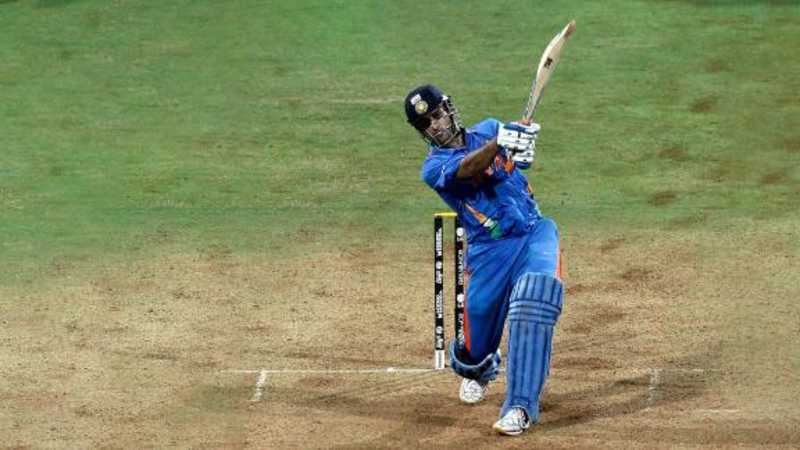
- MS Dhoni 2011 WC Final: Calm finisher. Target high, wickets falling, yet guided India to victory.
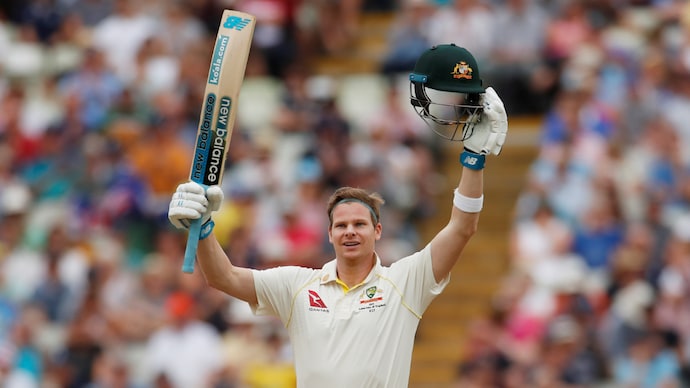
- Steve Smith 2019 Ashes: Overcame sledging, failed games, came back focused.
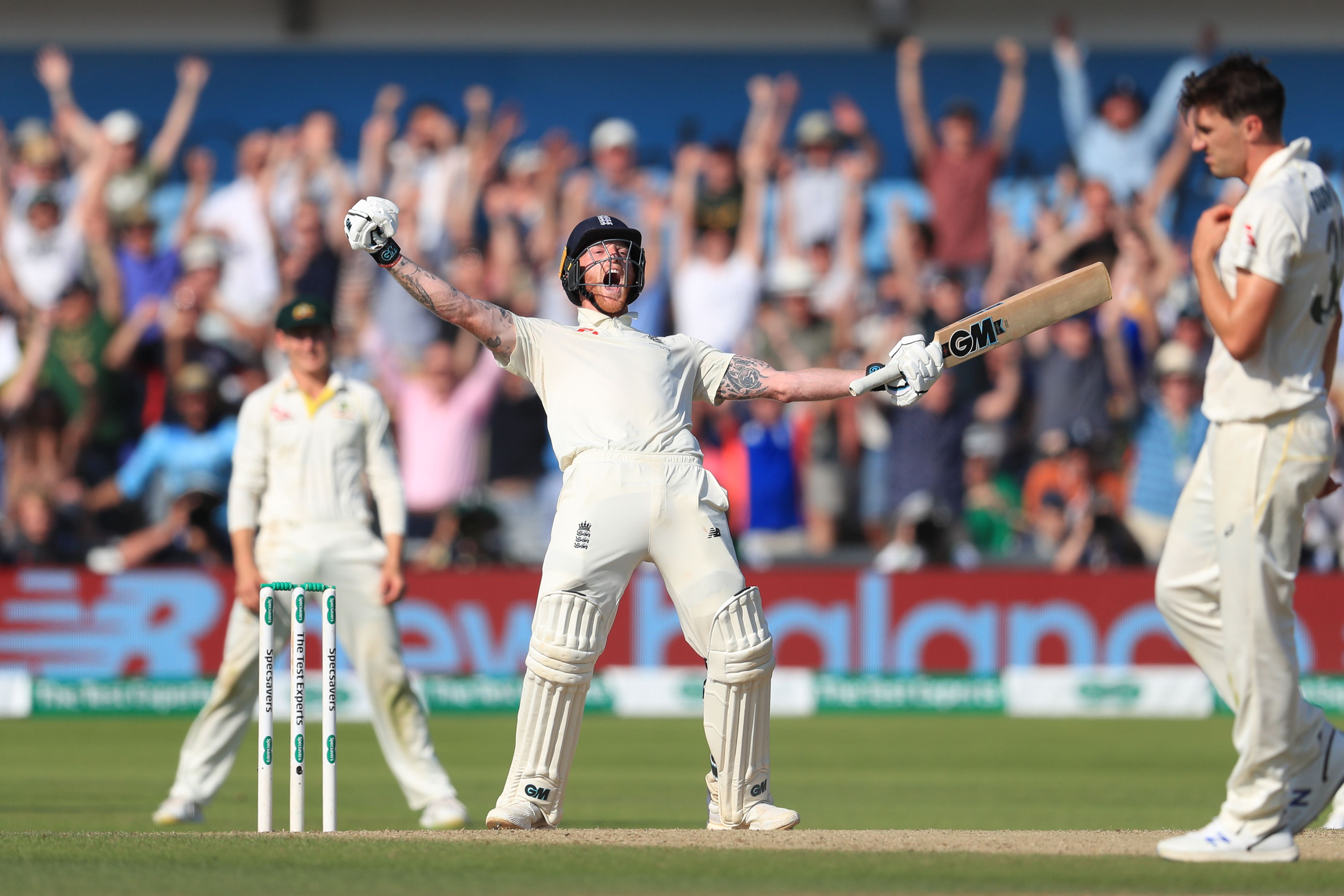
- Ben Stokes 2019 WC Semi-final: Almost impossible run chase, nerves of steel.
Tips for Young Cricketers:
- Practice under fake pressure (timed games, pressure scenarios)
- Learn breathing techniques
- Visualize success
- Focus on controllable factors, ignore external noise
- Reflect after every game
- Play simulated high-pressure situations
Key Lessons:
- Pressure is everywhere—accept it
- Response under pressure defines greatness
- Calmness, patience, focus—crucial
- Leadership under pressure can win matches
- Experience + preparation help cope
Conclusion:
Pressure doesn’t crush players—it reveals them. Talent might get you noticed, but character? That’s what takes you further. Great players feel it, but don’t let it run the show. Roll with it, act smart, and deliver when it matters.
Pressure isn’t the enemy. It’s the test. Builds champions. Patience, resilience, mental toughness—all come from facing it. In cricket, handling pressure separates the good from the great.
Frequently Asked Quuestions(FAQs):
Turning to the players individually, why do some cricket players fail under pressure?
It's not always about skill. Sometimes players tend to overthink, and sometimes they get nervous because of fans or critics. And sometimes it just comes down to when self-doubt hits you at the wrong times. Being mentally tough is what really makes all the difference.
Can fielding really change the game?
Yes, of course. One dropped catch, one non-executed field, and all of a sudden the momentum is changed. The fielders with sharp reflexes never get rattled by such incidents. Even a few saved runs can change the result of a match.
How do the captains cope with the pressure in close matches?
A good captain will stay calm, make clear decisions, and rely on the players. Leaders don't have to be perfect, they simply need to ensure everything stays on track when the situation becomes tense.
Is mental training considered more important than physical training?
When it comes to crunch situations, yes. Even the best physical ability can go awry if your mental game isn’t in place. Mental training allows players to recover from errors, stay calm under pressure, and delivers when it counts.
How is pressure experienced in leagues compared to international cricket?
When it comes to a league like IPL or PSL, the media and fan intensity is much higher. International cricket has its own level of difficulty, with things like national pride and defining moments. Though both are stress factors, international cricket is more so.


1 Comments
Best
ReplyDelete