“Unlucky cricket stars” refers to highly talented players who did play international cricket but were never given a fair, consistent, or long-term run. Despite strong ability and performances, factors such as poor selection policies, team combinations, injuries, and bad timing stopped them from establishing successful international careers.
The players mentioned below played international cricket, but due to poor selection policies, team combinations, or bad luck, they never received the long-term opportunities they truly deserved.
Cricket is perhaps the only sport where merely talent is not enough. You may work as hard as you want, score runs after runs, and take as many wickets as possible, but when the timing is not in your favor, you may be left on the bench.
When every cricketer enters professional cricket, his or her only dream is that he or she wants to play international cricket for his or her country someday. This dream is not all about winning trophries or earning money. It is all about identity and becoming part of history.
Being picked for the national squad is also a huge part of this dream. Being part of the national squad is an honor that says you are among the best players in your country. You get to travel with other players, hear the anthem of your country, and share the dressing room with big players.
However, the actual hurt comes when, in spite of all this, you are still left to sit on the bench on match day.

Not just one match, sometimes a series, sometimes a whole year goes by. Only thing you do is wear a bib and feed water to the players. The crowd is aware of the squad and then they see the playing XI. There are many people in the crowd who get puzzled and wonder, “How come he is part of the squad when he never plays?”
This question is not only present in the mind of the fan. This is the same question that runs in the players’ head every day:
- Am I picked just because of my last name?
- Am I just a substitute?
- Or could there be another reason for me to be denied an opportunity?
"It is clearly not just ‘bad luck’. There are numerous hidden factors in cricket's system, such as cronyism, politics, combination of teams, competition, poor timing, or even just poor management, which never find their way to the scorecard but which quietly bring careers to their knees."
The Difference Between Squad and Playing XI That Fans Don’t Understand
First of all, it is very important to understand that the squad and the playing XI are two completely different things.
Selectors choose the squad, usually with long-term thinking. But the playing XI is decided before every match by the captain and coach together. In this decision, form is often less important than comfort and trust.
If a captain feels comfortable with a player, he will keep giving him chances again and again, even if the performance is average. Because of this, many players remain stuck only at squad level.
Officially, they are part of the team, but practically they are not active players. Many times, their selection is only for injury backup. If no injury happens, their name stays only on the list.
The psychological impact of this is very deep. Before every match, you think maybe today you will get a chance. Then the XI is announced, and again you are out. Slowly, this cycle eats your confidence.
The player does not only sit on the bench physically — he also sits there mentally.
Favoritism: A Reality No One Accepts Openly:
Favoritism is a reality in cricket. Nobody accepts it officially, but it exists in almost every team.
Every captain and coach has a trusted group—players they believe in. This trust is often not based only on performance. It comes from past experiences, personality, or personal comfort.
If you are not part of this circle, it is very common to stay on the bench, no matter how good your form is. Domestic runs or wickets can take you into the squad, but to reach the playing XI, you need the captain’s trust.
Young players suffer the most because of favoritism. They believe one match can change their life, but that match never comes. Slowly, they get stuck with the label of “squad player.”
Team Combination: When Numbers Become More Important Than Talent:
In modern cricket, team combination has become a fixed formula:
- Five batters
- One wicketkeeper
- Two all-rounders
- Three bowlers
If you do not fit perfectly into this formula, your place does not exist. If you are a pure bowler and the team wants an extra batter, you sit out. If you are a specialist batter and the team wants an all-rounder, you still sit out.
In this process, individual talent is not the priority. The only question is whether you disturb team balance or not.
This approach feels safe in the short term, but in the long run it quietly removes many talented players from the system.
Competition and the Cruelty of the “Wrong Era”:
Sometimes, a player is simply born at the wrong time.
Cricket history is full of such stories. If you are an opener and your team already has two world-class openers, your career can stop before it begins.
India’s spin quartet era, Australia’s Shane Warne era, Pakistan’s fast-bowling factories— during these periods, many players did not play simply because better or more established names already existed.
This is cricket’s most cruel truth: wrong timing. It is not about lack of effort—just bad timing.
Politics, Power, and Board Pressure:
Selection is not always based on runs and wickets. Board politics, selectors’ thinking, and media pressure also shape the playing XI.
Sometimes a senior player is out of form, but dropping him is not politically safe. The real loss is always faced by the in-form player sitting on the bench.
In countries like Pakistan, Sri Lanka, and South Africa, regional quotas and personal liking often limit deserving players only to the squad.
Backup Player Syndrome
Modern cricket has created a new role: the backup player. Selectors keep some players only as emergency options. On paper, it looks like planning. In reality, it slowly destroys careers.
A backup player travels with the team, trains hard, comes to the ground fully dressed, and every time hears the same words: “Wait for now.”
The series ends. A new tour is announced. A new backup arrives. The old one quietly disappears.
The biggest damage here is mental. The player loses identity. He is neither a regular player nor an outsider. His talent is wasted, and confidence slowly dies.
Injuries and Mismanagement:
Cricket is a game of injuries, but injuries alone do not destroy careers — mismanagement does.
Many players stay out even when fit because medical teams do not want to take risks. And when injuries happen, wrong decisions turn small problems into permanent damage.
Fast bowlers suffer the most. They are rushed back, given injections, or pushed into wrong surgeries. As a result, a talent that could play for ten years ends in one or two.
Stories like Ihsanullah are not just bad luck — they are system failure. Staying in the squad, waiting for chances, and then disappearing after injury are all parts of the same painful journey.
Fans see numbers. Players live the struggle.
India’s Selection Dilemma:
India’s biggest problem is not lack of talent — it is too much talent.
Competition is so high in every position that selectors get confused. That is why many Indian players reach the squad but never reach the playing XI.
In India, domestic centuries and five-wicket hauls are only entry tickets. The real test starts at international level, where even one failure can send you back to the bench.
Because of this pressure, selectors often choose safe senior players and keep young players only for exposure.
Sunil Valson, Amol Muzumdar, and Padmakar Shivalkar are not individual stories — they represent a repeated pattern in Indian cricket. They arrived at the wrong time, when the team was already full of legends.
Pakistan Cricket:
Pakistan cricket suffers not only from politics, but also from inconsistency.
Sometimes selection is aggressive, sometimes defensive. A young player is made a hero, then forgotten after one series. In this unstable system, many players remain only squad members.
Domestic performance has often been ignored. Players like Saeed Bin Nasir scored runs for years, but their names stayed only on lists.
When Fawad Alam finally got his chance, his best years were already gone.
Ihsanullah’s case is even more painful because it is not just about selection, it is about trust. Raw pace like that is rare in Pakistan, but when it appears, the system does not know how to protect it. This tragedy keeps repeating.
Top Unlucky Cricket Stars:
Cricket is a game where talent and hard work are sometimes not enough. Team balance, timing, injuries, and politics often decide careers. These players had the talent to become legends—but luck was never on their side.
Unlucky Cricket Stars Whose Talent Never Got Full Justice:
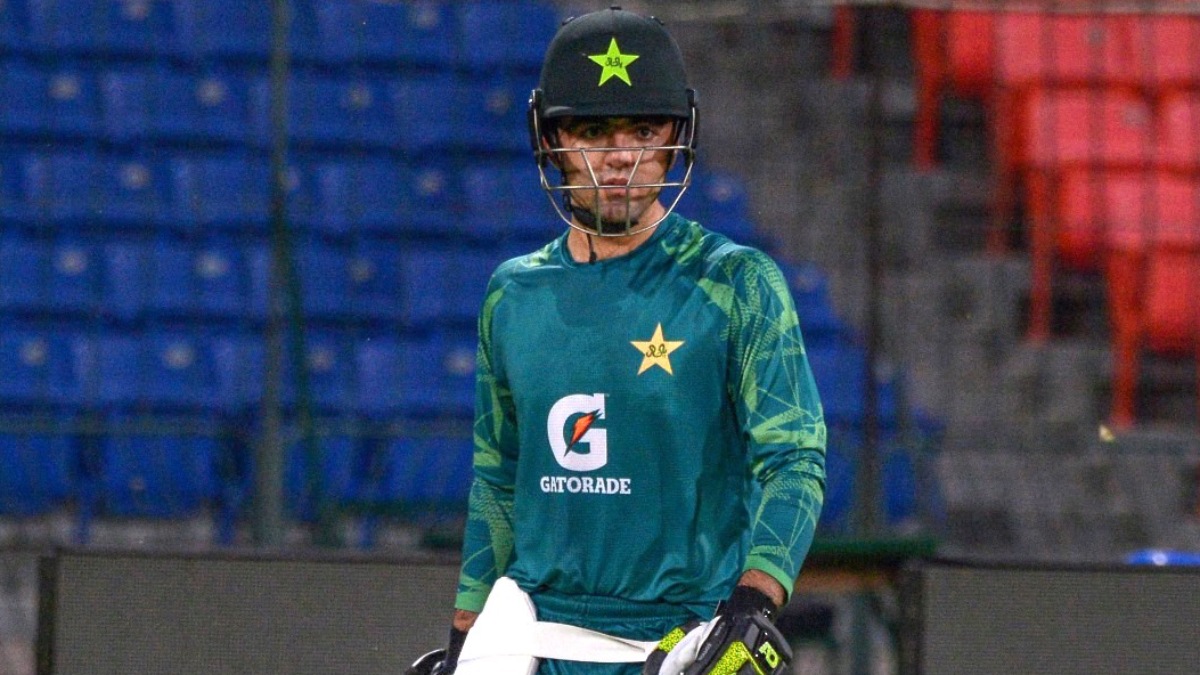
- Haseebullah Khan (Pakistan)
 |
| Haseebullah Khan |
However, limited opportunities and constant comparison with Mohammad Rizwan kept him in a backup role. Injuries and inconsistent selection decisions have slowed his progress, making him a clear example of an emerging talent yet to receive full justice.
- Umran Malik (India)
 |
| Umran Malik |
Injuries have been a big problem for him, including dengue and a hip issue. After his last India match in July 2023, he missed the entire IPL 2025 season due to the hip injury. Despite being very talented, his career has not reached full potential yet, making him a clear example of a modern unlucky fast bowler.
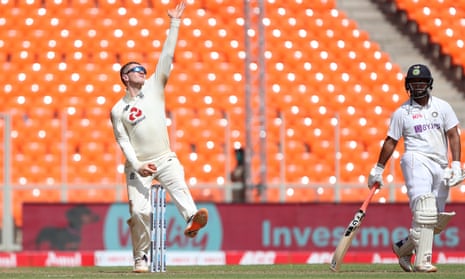
- Dom Bess (England)
 |
| Dom Bess |
Even though he is in his prime now, Bess has not been able to secure a regular spot or add more caps to his name. His performances are strong, but England’s plans and existing spin options have kept him mostly on the sidelines.
- Kamran Ghulam (Pakistan)
 |
| Kamran Ghulam |
He is considered a late bloomer who still comes in and out of the national squad. His talent is clear, but waiting too long for chances has slowed down his international career, making him another example of an unlucky player.
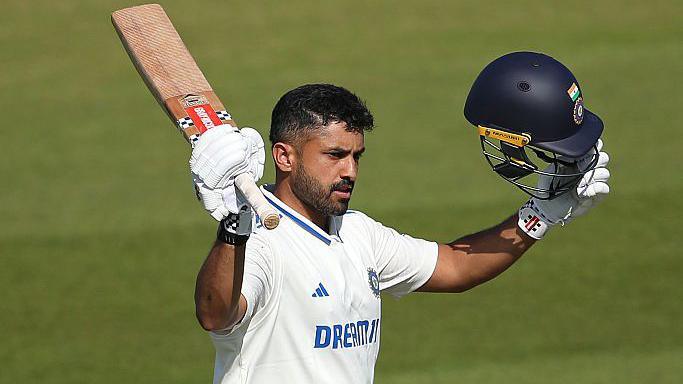
- Karun Nair (India)
 |
| Karun Nair |
Karun Nair, 34 years old, is one of the strangest stories in Indian cricket. He is only the second Indian batter to score a triple century in Test cricket, making 303 not out against England. After such a historic knock, everyone expected a long international career, but surprisingly he played only 6 Tests. During the strong Kohli-era lineup, he did not get a long rope to settle in the team.
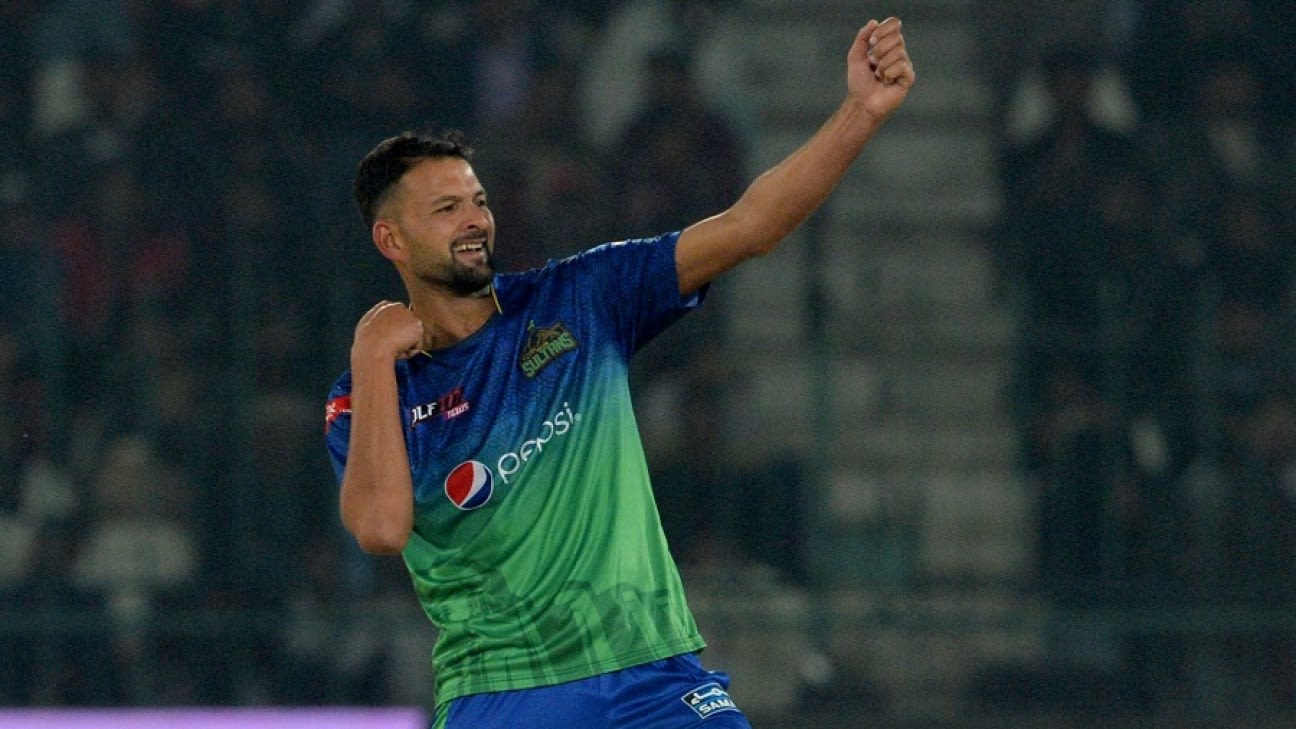
- Ihsanullah (Pakistan)
 |
| Ihsanullah |
Ihsanullah emerged as one of Pakistan’s fastest bowlers, consistently clocking 150+ km/h. He claimed 22 wickets in PSL 8, including best figures of 5/12.
An elbow injury followed by poor medical handling and surgery derailed his career. He went unsold in the PSL 2025 draft and briefly announced retirement. His case highlights how injuries and mismanagement can destroy rare talent.
- Fawad Alam (Pakistan)
| Fawad Alam |
One of Pakistan’s most consistent domestic performers, Fawad Alam scored heavily for years. His unconventional stance and selection controversies kept him out of the national side for a long time.
He played only 19 Test matches and was dropped again after his comeback—proof that talent and patience alone are sometimes not enough.
Conclusion:
Cricket is a game of talent, toil, and passion, but very often even the best of them all don't get their due opportunity. The selection of the squad, balancing the team, injuries, politics, and era timing may stand in the way of a player and his brilliant performances on the international arena. The stories of these 13 players remind one that luck and opportunity are as important as skill. Behind every famous match, there exists a sea of unidentified talented players who wait in the wings for their moment that may never come.
Frequently Asked Questions(FAQs):
Why weren't these players given an opportunity when they were talented?
The aspects that affect the selection include team combination, captain's trust, competition in their era, injuries, and even politics. Talent alone is not sufficient in cricket.
What is the difference between a squad player and a playing XI player?
Squad player: A team member selected in a squad for a series or tournament may not necessarily play any match. ThePlaying XI is the team that actually takes to the field.
Can injuries end the career of a cricketer?
Yes, injuries, especially if mismanaged, can ruin a player's career-even for a talented, otherwise fit player.
What is meant by "wrong era" in cricket?
Wrong era: the player's peak time clashes with that of other legendary players in the same position, meaning that chances to play internationally are minimal.
Does the selection of cricketers usually involve politics or favoritism?
While this may not be openly acknowledged, politics, favoritism, and personal trust also form part of the basis on which team selection is considered along with performance.


0 Comments