Cricket is not a matter of runs and wickets but it includes tactics, finesse, and mental endurance. Each decision made, beginning with the toss, or even the placement of the field, batting order, or bowler rotation can change the course of a game.
Teams today make informed decisions by utilizing technology and data analytics to plan and monitor performance. Psychological tactics are also applied by captains and players to mount pressure and gain an advantage over the opposition.
All-rounders allow flexibility to the team, enabling it to cope with various circumstances. Minor strategic changes in each over may change the direction of a match.
Introduction:
Cricket is not merely a physical game it is a blend of strategy, expertise and mental endurance. Each over, each ball and each choice can affect the outcome of a match. Fans tend to concentrate on wins and hits but the planning and strategy behind the scenes contribute to the game in a far greater way.

These subtextual dynamics render the sport of cricket unpredictably exciting in the contemporary times. This blog will demonstrate the role of field placements, batting order, rotations of bowlers, situational awareness, technology, and psychological strategies in determining the results of the matches.
Toss, Strategic Thinking and Captaincy:

Psychological and Tactical Effect of Field Placement:
Field placement is not merely playing with placing players on the ground. It restricts the scoring opportunities of the opponent and infiltrates his or her way of making decisions. Smart captains decide on dynamic field setups on every over regulating the tempo of the match and the strategy of the batsman.
Fielding limitations are lifted in the course of the powerplay. Early momentum can be addressed through proper positioning of the field to develop openings in wicket taking. Extra slips and gullies may compel the batsmen to take dangerous hits thereby enhancing the likelihood of losing wickets. On the other hand, the defensive placements retard the pace of scoring but minimize chances of losing the wickets. To illustrate, in IPL 2025, the captain of RCB applied aggressive placements in the field during the first overs, which resulted in an early wicket giving the team an upper hand.
The scoring rates are high and any minor error can make a significant difference in death overs. Field placements should find a compromise between defense and attack. The fielders in defense guard the boundaries and the pace of the running, and aggressive fielders in the catching positions would have a higher chance to get important wickets. A single variation in these overs can result in difference of 10-15 runs and this can prove decisive in tight matches.
Batting Order:
The batting order does not only concern having the best batsmen at the top. It is formulated based on the match scenario as well as on the opposition strength of the bowling attack. The batting order in modern day cricket is a strategic factor that determines the line of play and the result of the game.

During the initial overs, batsmen are chosen depending on the conditions of the pitch and the power of the bowlers on the other side. A seasoned batsman on a rapid and springy wicket gives a solid opening. The risk against a good bowling attack can be taken care of by an early introduction of an all-rounder. As an example, during the IPL matches, RCB started with an all-rounder which provided the team with a stable beginning and allowed it to keep the pace of the run during the middle overs.
During the middle overs, formation of partnerships and management of run rate is important. Anchor batsmen keep the balance and avoid collapses, whereas aggressive players put strain on the situation and seek the boundaries. Planning in such overs would result in an additional 20-30 runs, which would have a considerable effect on the overall figure.
Finishers are very important in the decision making of the match in the death overs. Under pressure, they have a high strike rate and time their boundaries and sixes so as to change the momentum. RCB had a finisher in the 17 th over that had 30 runs in only 10 balls and this completely revived the direction of the game in IPL 2025.
Bowler Rotation and Match Control:
Bowler rotation entails the determination of the sequence of bowlers per over and a strategy is planned on the order to follow. These are minor decisions which affect the result of a match directly. There have to be backup plans in case of every over by captains and coaches.

Selection of spin and fast bowlers are based on conditions and pitch. At a slow pitch, scoring can be limited by having a spinner in the middle overs. Quick bowlers during the first few overs can use swing and seam to their maximum benefit. Lack of right decisions, e.g. when fast bowlers are used in a slow pitch, may provide an easy run to the batsmen and disadvantage the team.
It can come down to the right bowler in tough times. Seasoned bowlers who can think on their death rather than their expertise can work in tight situations and the young bowlers may be introduced to balance between risk and reward at a certain strategic point. As an example, in the 2023 world cup, one captain substituted an old bowler in the last overs and won the game, which demonstrated the power of little planning.
Decision Making and Situational Awareness:
Situational awareness of a match is important by understanding how dynamic a match is. The choice needs to be made depending on the surroundings of each over and the pitch conditions. By way of illustration, fast bowlers work better on swinging balls whereas spinners are able to manipulate points on dry pitches.
There is also adaptation of the batmen based on the required run rate. The required rates are high, and play is aggressive yet calculated, and when the required rates are low, slow scoring is possible to relieve the load and create wicket opportunities. Situational awareness provides the team with a tactical advantage and allows managing the momentum of the match.
The contribution of Technology and Data Analytics:

In the present day, data analytics and technology are very important in predicting the result of the match. They assist players and coaches to monitor the performance and make strategic decisions. Teams rely on technology to turn simple decisions into significant results.
Hawk-Eye and DRS give correct LBW and wicket calls, increasing the confidence levels of players and umpires. What is observed by player analysis software is the weaknesses of opponents, and it formulates special plans of batting and bowling. Fitness trackers can oversee fatigue and over managing of the bowlers, which prevents injuries and decline in performance. Small decisions can become game-changing when used in a strategic manner with the help of technology.
Mental Toughness and Psychological Edge:

Cricket is a game that is more a mental game than a physical one. Psychological strategies and mental toughness affect every passing moment during the match and put pressure on the opponent. This is something a fan does not see a lot but can turn the result of a match.
Decision making is very important in stressful situations. The captain and senior players are in control of their emotions and thinking which enhances the morale and performance of the team. Batsmen can be confused by mind games such as field adjustments and variations of bowling. Rude body language and revelations bring a psychological advantage. Virat Kohli and MS Dhoni are some of the players who have perfected the art of utilizing mind games to turn around the tide of a match within seconds.
Team Dynamics and All-Rounders:
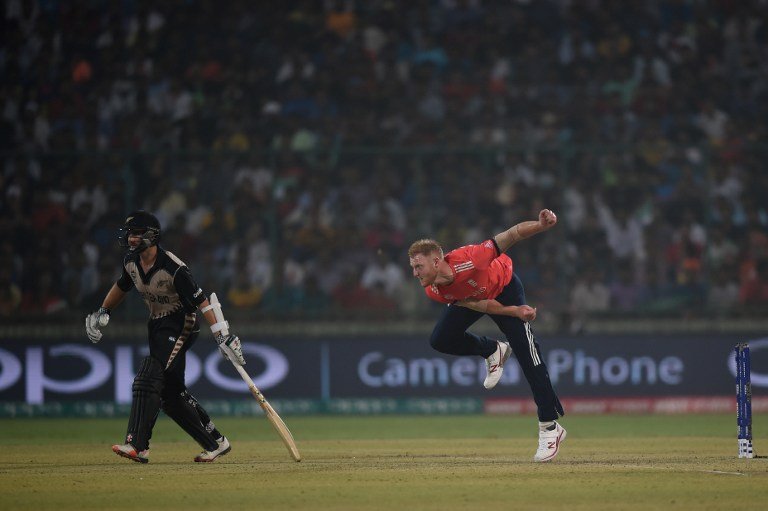
All-rounders give teams the ability to be flexible and offer various strategies. They are involved in batting, bowling, and planning of a team and give contingency plans in case of various situations. Captains can change strategies using their versatility, which directly affects the results of matches.
Universal players serve two purposes during middle overs and crises, which assist the team to adjust in unknowen times. As an illustration, a few overs by a player such as Andre Russell and Ben Stokes are sufficient to turn a T20 match. They offer additional tactical benefits that cannot be easily overcome by ordinary players due to their flexibility.
References
The Importance of Mental Strength in Cricket. ESPNcricinfo , an in-depth analysis highlighting the role of mental toughness, decision-making under pressure, and psychological strength in modern cricket performance.
Conclusion:
Cricket is much more than just a physical game of runs and wickets. Every small decision, from the toss to field placements, batting order, and bowler rotations, can have a major impact on the outcome of a match. Captains and players must constantly analyze the situation, consider pitch and weather conditions, and adapt their strategies accordingly. Even minor adjustments in powerplays, middle overs, or death overs can change the momentum of the game. These hidden dynamics, often unnoticed by fans, play a crucial role in determining the result.
Technology and data analytics have further transformed modern cricket, helping teams track performance, identify opponent weaknesses, and make smarter decisions. All-rounders add versatility, allowing teams to adjust quickly to different scenarios. Ultimately, cricket is a perfect combination of skill, strategy, and mental toughness, and mastering these elements often separates winners from the rest.
Frequently Asked Questions(FAQs):
What are the backroom processes in cricket?
A: Hidden dynamics refer to back-stage maneuvers and minor choices such as positioning the field, the batting order, bowler rotation, and brain tricks which affect the result of a game.
The effect of toss on a cricket match?
The throw decides who bats / bowls first. It is able to establish the initial momentum of the match depending on the pitch and weather conditions.
What is the significance of having field placement in cricket?
Field placement is no longer simply a positioning of players. It restricts the scoring possibilities of the opponent, affects his or her decisions, and may provide the opportunities to take wickets.
What is the role of a batting order in a contemporary cricketing game?
Batting order is planned based on the conditions of the matches and the strengths of the opponent. It regulates the players speed and maximizes the score.
The effect of bowler rotations in the game?
Bowler rotations entail the selection of the person to bowl under what circumstances and at what time. A good strategy can counter-score, put pressure and provide more opportunities to take wickets, particularly in a close game.
What is the effect of technology on cricket strategy?
Technologies such as Hawk-Eye, DRS, player analysis programs, and fitness trackers are used to enable teams to monitor performance and strategize as well as make quick decisions which can alter the play outcome.
What is the significance of mental toughness in cricket?
Mental toughness assists players to make sound decisions when faced with a game, stay focused, improve team morale and generate a psychological advantage over the opponent.
What are the effects of all-rounders in the context of a team?
All-rounders allow flexibility in both the batting and the bowling so that the teams can suit well to different match scenarios and they also have a strategic edge that regular players may lack.


1 Comments
Best doood
ReplyDelete