Modern cricket demands a combination of physical fitness, technical skills,
mental strength, and smart strategy.
With fast-paced formats and global leagues, players face heavy workloads,
constant travel, and intense pressure. Success today depends on adaptability,
discipline, and proper workload management.
The history of cricket is very fascinating. It was considered a traditional and slow-paced game in the past. It is now one of the largest providers of sports entertainment in the world. The presentation of T20 format in 2003 and the introduction of IPL in 2008 transformed the game and its viewing totally.
By January 2026, other leagues like the IPL, Big Bash League, SA20, ILT20, Major League Cricket, and The Hundred had transformed cricket into a year round sport. Gone are the days when players could only participate in playing on behalf of their national teams. Most of them are now contracted by various leagues in other parts of the world and they are freelance players.
This has seen the game grow hugely in terms of financial development. The IPL itself was projected to be worth more than 10 billion dollars in 2025. Players have however increased workload. The star players such as Jasprit Bumrah, Pat Cummins and Andre Russell frequently play over 100 matches annually in various formats.
To the fans this is a time of excitement; big sixes, goal-festing games and full stadiums. Physical fatigue, psychological stress and prolonged career risks are a fact, though, among players. Due to it, workload management, rotation policy, and mental health support are now being targeted by the ICC and the national boards. This blog discusses these contemporary requirements of the game of cricket in real life situations.Physiological Fitness Conditions:

Physical fitness is very crucial in modern day cricket. Players did not need to be in an excellent physical condition to succeed in the past but nowadays all cricketers have to train as professional athletes.
Key areas of fitness include:
- Power explosion: This is required to strike big hits and also to run between wickets at high speed. The exercises that the players use include squats, deadlifts and jump exercises.
- Stamina: It is necessary in long test matches and repeated sprinting during T20 matches. The Yo-Yo test is now used by most teams, with highest-performing players in the squads returning a score of more than 1820.
- Speed and agility: This is essential in catching a diving ball, making quick turns, and being quick in reaction time on the field.
- Back strength and flexibility: Reduce injuries. Stretching and yoga has become popular in training programs.
The bowlers are at the greatest risk of injuries since their bowling motion exerts a lot of pressure on the body. Routine injuries include back, shoulder, and knee injuries. It has been demonstrated that bowling workload can increase the possibility of stress fracture four to five times when it is suddenly increased.
To cope with this, teams now have biomechanics sports analysts to examine the bowling behavior. Such players as Virat Kohli work on the fitness and pay attention to the diet, sleep, ice baths, and regular massages. Most of the teams have also since 2025 begun using wearable devices to track real-time fatigue.
The Art of Cricket in the Contemporary World:
The technical skills in cricket are ever changing. Old coaching techniques remain a basis of coaching but the game has changed with the introduction of modern shots and variations of bowling.
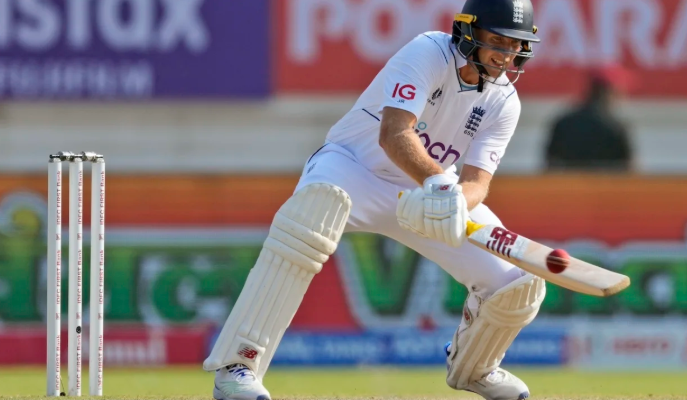
Shot-making at the pitch today needs to be 360 degrees. The scoop, the ramp, the reverse sweep and switch hit have become widespread shots. Such players like Glenn Maxwell or Suryakumar Yadav have strike rates in the death overs that are more than 200. Although bats have become more powerful and the sweet colleagues have increased, good timing and hand-eye coordination are also required.
Diversity is the secret of success in bowling. Batters are outsmarted by using slower balls and knuckle balls and yorkers that are wide and balls that vary in seam. Spinners learn such deliveries as carrom ball and slider. It has become a common practice to have fast bowlers bowl at a speed higher than 150km/h as experienced by players such as Mayank Yadav in the 2025 IPL.
Fielding is now a department that is equally important. Direct hits, diving catches and athletic boundary saves can alter the outcome of a match. Such players as Ravindra Jadeja and Ben Stokes significantly influence their teams.
The most valuable players have been turned into all-rounders as they are the balancing ones. Data analysis also helps to improve the technical side, as the weaknesses are identified with the help of video recordings and are remedied.
Einrich Schliemann: Mental Strength and Decision-Making:
One of the greatest challenges in new era in cricket is mental strength. Eternal transfer, the pressure of the performances, and the criticisms through social media may impact on the mental health of a player.
Taking a mental break, such as Ben Stokes, is now more normalized. Cricketers are required to make decisions within seconds on each ball and one misjudgment on the part of a captain may result in losing a match.
Visualization and mindfulness are some of the techniques that are now being taught routinely. Sports psychologists are hired by most professional teams to enable players to remain calm when they are under pressure. It takes a lot of mental control to play in high pressure games like finals of the world cup.
Social media has provided an extra pressure. A single bad performance can cost them thousands of negative online remarks. In 202526, the problem of burnout was openly discussed by many on the part of the players, and boards started implementing mandatory rest times.Strategic and Game Awareness Role Role:
The contemporary game of cricket is very tactical just like a chess game. Data analysts closely collaborate with captains and coaches to plan matches.
The match-ups between players are well researched including the bowler who has the best record against a particular batter. There are powerplay plans, the use of DRS and field positioning that are to be planned. Such rules as the Impact Player have created even more flexibility in the strategies of the teams in T20 cricket.
Game awareness also entails knowledge of the conditions of the pitch, weather, and the way the opposition thinks. Such captains as Rohit Sharma and Pat Cummins are associated with the ability to combine data with intuition.
Effects of the various versions of Cricket:
Each format of cricket places different demands on players:
- Test cricket requires long periods of concentration, strong defensive skills, patience, and high physical endurance.
- ODI cricket demands a balance between building an innings and playing aggressively over 50 overs.
- T20 cricket focuses on speed, innovation, and handling intense pressure in a short time.
Switching between formats regularly requires players to adapt quickly. The growing number of T20 leagues has also raised concerns about the future of Test cricket.
Importance of Training and Discipline:
The modern game of cricket has not been able to succeed without discipline. Players are on strict daily regimes, comprising gym, net practice, video analysis and dieting.
Training is no better than recovery. Sleep, exercise and nutrition are important in ensuring performance. Discipline is instilled in young players at a tender age in academies.
A long career will require consistency. Such players as Virat Kohli have stayed to the top in the course of more than 15 years due to their disciplined life and dedication.
Referance:
Fitness plays a critical role in modern cricket, especially in a game where skill
and physical performance go hand in hand.This view is strongly supported by professional research published on
ESPNcricinfo
.
Conclusion:
The contemporary game of cricket is very demanding to players. They need to be very physical, ensure that they are highly technical, mentally fit, employing intelligent strategies, and are highly disciplined. Due to the fact that the game is constantly growing, more focus should be placed on the health and well-being of players.
ICC and cricket boards should enhance scheduling and rest time adequacy and mental health provision. This is an exhilarating moment to the fans but the players are the true heroes in the game as they deal with so much pressure. Adaptation in all aspects will make those successful in the future. In order to make cricket fun and viable, the game has to safeguard the players to the same extent as it entertains the viewers.
Frequently Asked Questions(FAQs):
How are the needs of the contemporary cricket?
The contemporary game of cricket requires good physical fitness, technical prowess, good mental health, cunning tactics and discipline. The players have to exhibit the same performance in various formats with the huge workloads.
What is the importance of fitness in the contemporary cricket?
Fitness assists players to play better, prevent injuries, recover quickly. The players have to be strong, fast, energetic, and flexible with their hectic formats and tight schedules.
What is the impact of T20 cricket on the game?
The T20 type of cricket has rendered the game quick and violent. It gave new batting hits, new kinds of bowling and added pressure besides extending the leagues in the world and commercial interests.
What are some of the mental issues that cricketers experience nowadays?
Players are under pressure of constant traveling, expectation, social media criticism and demand. Mental exhaustion and burnout has become the order of the day in contemporary cricket.
Why should cricketers work on the workload?
Excessive playing raises the possibility of injury and psychological fatigue. Workload management assists players to remain fit, prolong their career and play at maximum level.
What is the impact of various formats on the players?
There are different demands of each format. ODI demands balance, consistency, and T20 cricket demands speed, innovation and an ability to make fast decisions.
What is the significance of strategy in current day cricket?
The role of strategy in the contemporary cricket is significant. Data analysis, match-ups, pitch reading, and game awareness provide the teams with improved decision-making in the matches.
Why are the all rounders appreciated in modern day cricket?
All-rounders offer both bat and ball which brings flexibility and balance to teams. They play a crucial role particularly in limited-overs and T20.


0 Comments