AEO Summary
Team balance in cricket means selecting the right mix of batsmen, bowlers,
all-rounders, a wicket-keeper, and strong fielders so that the team can
perform well in all conditions and formats. A balanced team wins matches
consistently and handles pressure better than a team built on star players alone.
Introduction
Cricket is a very popular emotionally oriented sport in the world. Each game is thrilling, stressful, and joyful or even heartbreaking to the fans. Whenever we watch cricket we tend to rejoice over individual achievements such as a batsman getting a double century or a bowler getting a five wicket haul. Such are special moments and worthy of praise. But reviewing the long-term success, regularity of winning, and performance in tournaments, there is one aspect which is more superior than the others and that is team balance. The balance in a team implies the presence of the optimal composition of those players that may play various roles and help one another in any circumstances. A balanced team will comprise of good and consistent batsmen, good bowlers, good all-rounders, experienced wicket-keeper, sharp fielders, and good mix of experienced and young players. With all these factors, the team becomes effective, adaptable, and affirmative. A balanced team is able to withstand any pressure situations, adjust to varying pitch conditions, as well as withstanding serious opposition without fear. Conversely, a team comprising of star players may not perform well in case it is not well balanced. It is proved by history countless times that the names only are not enough to win cricket, teamwork and proper planning are needed to win it. This does not just apply to international or domestic cricket. The same applies to fantasy cricket where the balance of the team plays a significant role in the likes of Dream11. This blog will provide a very simple and understandable explanation of the significance of team balance in cricket in simple clear English. We will address the definition of team balance, the contribution of each kind of player, the influence of balance at different formats (Test, ODI and T20) and its impacts on the outcomes of a match and a tournament. The guide is quite handy to the newcomers, casual fans of cricket, as well as those that play fantasy cricket.What Is Team Balance in Cricket?

A successful cricket team has its main core in team balance. In a plain language, team balance refers to the choice of eleven workforce that has been composed such that each department has played a similar contribution. There should be no dominant department with the rest suffering.
A balanced team is not weak in any aspect. It is not based on a single or two players. Rather, the task is distributed within the team. When one of the players falters, another will rise. This is what makes a team to be consistent and dependable.
Key Elements of Team Balance:
- Batting Depth: A balanced team has adequate batting depth such that in case the top-order fails, middle and lower order will be in position to salvage the innings. Preferably, a team would strive to possess batting power up to number 7 or 8.
- Bowling Variety: There are various types of bowlers who make a good bowling attack -fast bowlers, swing bowlers, seam bowlers, and spinners. This diversity assists the team to play on various notes and vis-a-vis other teams.
- All-Rounders: All-rounders make the team flexible. They are able to bat and bowl important overs. They are the intermediaries between bowling and batting.
- Wicket-Keeper Quality: It has been observed that a contemporary team must have a wicket-keeper who is not only good behind the stumps but also has the ability to play with the bat.
- Fielding Strength: Good fielding saves runs and puts additional wicket opportunities. Close matches can be decided by sharp fielding.
- Flexibility: A balanced team has the option of adapting its playing XI according to the conditions of the pitch, weather, the intensity of the opposition and the form of the match.
Batsmen role in Team Balance:
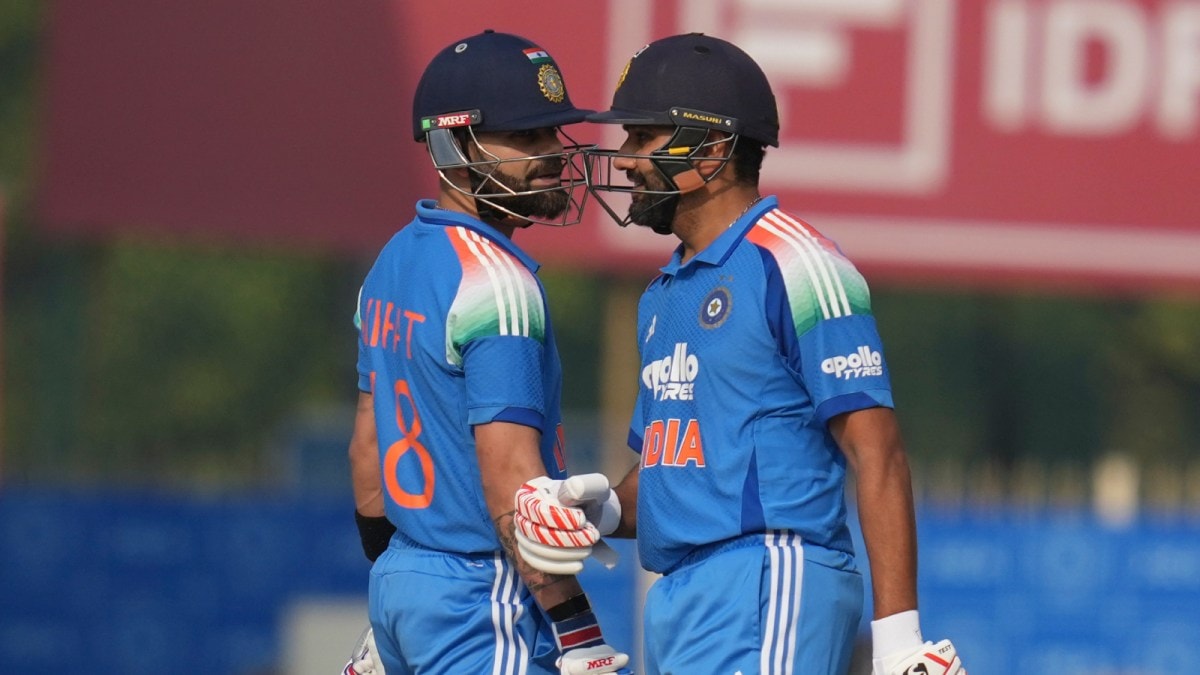
Batsmen are the key players of any cricket team since the first need to compete in a match is to have runs. A best bowling attack cannot always win games without being able to make a run on the board or to pursue a target. Batsmen are not only scoring runs in a balanced team but also they are the first to set the tone, withstand pressure and give stability to the whole side.
Good batting unit provides bowlers and fielders with confidence. When a team is confident of sufficient number of runs or capability to pursue, the bowlers will be freer in their attack and fielders will take an extra energy in their performance. This mental edge is very significant in contemporary cricket.
Batman Classifications and significance:
- Top-order batsmen:Top-order batsmen, who are normally the openers and the third player. When things are at their worst, they are swung, seamed and paced. This is their task to provide the team with a good beginning. They also exploit the powerplay in limited-overs cricket by ensuring that they get quick runs without losing wickets. Their tolerance and style could determine how the game ought to go in Test cricket.
- Middle-order batsmen:The team has middle-order batsmen who are the problem solvers. They are brought in either when the ball is stale, the situation becomes different or the team is pressurized. They strike, form alliances and manage spinners well. The mid order in close chase or even in collapses usually determines whether a team earns a survival or a downfall.
- Lower order batsmen:Lower order batsmen do not surface with centuries but their role cannot be undermined. A match can be altered by even an additional 20 to 40 lower-orders. The resistance of lower order also frustrates the bowlers of the opposition and contributes important runs to the total.
Bowlers and the Balance of a Team:
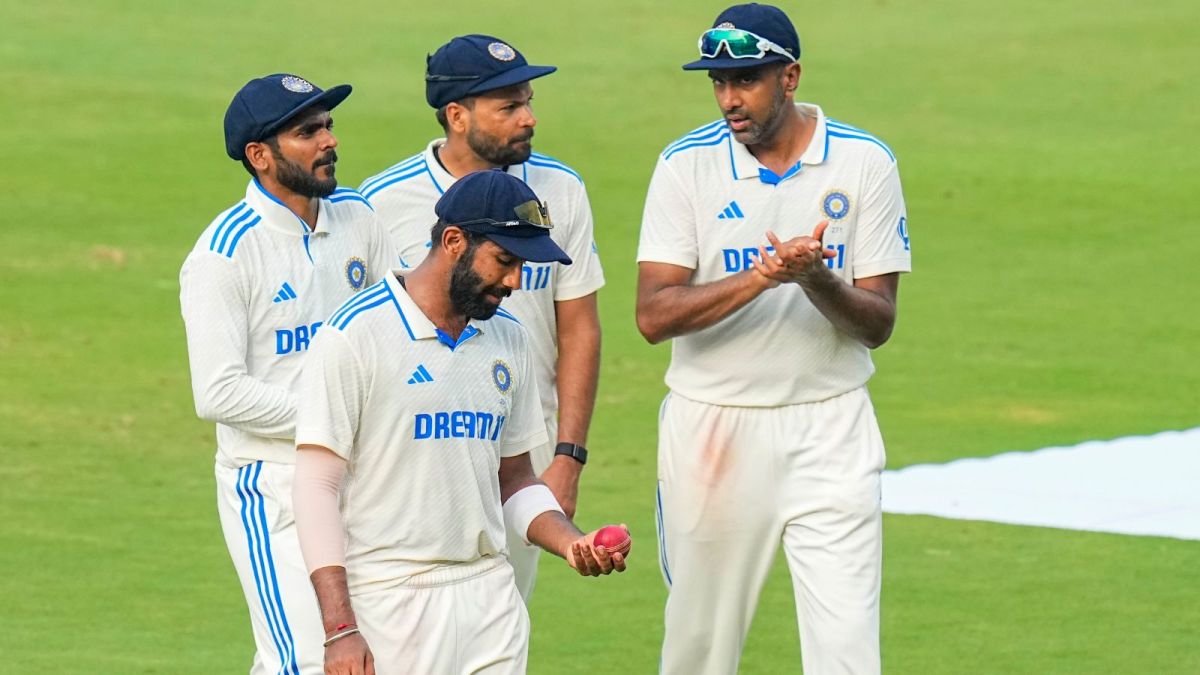
The offensive and defensive figure of a cricket team is bowlers. Batsmen score the runs in the board, and the bowlers manage the opposing team and generate chances to win by taking wickets and limiting the chances of scoring.
The balanced bowling of the team guarantees that the team can do a good job in any pitching and any conditions. Teams that use the one type of bowler tend to be helpless in case of change in conditions.
Roles of Different Bowlers:

- Starting over:The goal of new-ball bowlers is to strike early. They aim at swinging or seam breaking the ball, busting up the partnerships and placing the opposition under pressure early in the entire game.
- Middle overs:The game is regulated by middle-overs bowlers. They run narrow strips, limit the lines and compel batsmen to risk. The spinners normally feature prominently during this stage by mounting pressure with dot balls.
- Deathovers:The innings are completed by deathovers experts. One of the most difficult activities in cricket is bowling at the end of an inning. These bowlers use the yorkers, slower balls, cutters and precision to prevent big hits.
Bowling Variety and Depth:
A balanced team consists of fast bowlers, swing bowlers, seam bowlers and spinners. This diversity enables the captains to target various batsmen and suit the conditions of the pitch.
Bowling depth is of interest as well. In case a bowler performs poorly in one day, there are others to fill the gap. Such teams that have at least five or six bowling options are more elastic and less susceptible.
Fantasy cricketing has bowlers as match-changers as wicket attracts maximum points. They are further enhanced by economy rate bonuses and maiden overs.
Value of All-Rounders:

The glue that binds a balanced team includes all-rounders. They also play with bat and ball and usually turn a close game around.
A squad comprising of good all-rounders is more flexible. Captains are able to alter batting seeking, alter plans and react to match situations more.
The why behind All-Rounders being Game Changers:
The all-rounders reinforce the lower and middle order, which reduces the chances of collapse. They also offer additional bowling facilities, which is a way of controlling the workloads and injuries.
All-rounders tend to rise to the occasion in stressful times since they are accustomed to multitasking. It is invaluable their relaxed attitude and the diversity they possess on the tournaments.
All-rounders tend to be the highest point scorers in fantasy leagues. This is the reason why they are preferred captain and vice-captain.
Role of Wicket-Keeper in Team Balance:

Wicket-keeper is a very significant but under-evaluated member of a cricket team. The most common misconception is that a wicket-keeper has nothing but to take the ball in his/her hands, whereas in fact, the wicket-keeper is involved in defense and attack to a great extent. An experienced wicket-keeper does not only help bowlers but also reinforces the batting team thereby balancing the team.
A wicket-keeper enhances the performance of bowlers. Bowlers will be free to bowl more freely and with aggression when they are aware of the fact that the keeper is sharp and reliable behind the stumps. This has a direct positive effect on the overall performance of the team in bowling.
Team Balance Importance of Fielding:

Fielding is the aspect that is usually neglected whenever discussing the balance of the teams, yet, it contributes significantly to determining the outcome of matches. The margin between victory and defeat in modern day cricket is a matter of a few runs and fieldwork can easily salvage such runs.
A balanced team gives much attention to fitness, agility as well as coordination. Clever fielders prevent boundaries, single balls into dot balls and cause pressure to the other players. This pressure normally causes the batsmen to make errors which earn them wickets.
Team morale is also increased through good fielding. When the players observe their teammates falling on the ground to collect the ball, running with their maximum speed and making all efforts, the spirit of the whole side is elevated. Conversely, bad fielding will discourage bowlers and provide simple favors to the opponent.
Caught drops, misfields and slowness can cost the team matches particularly in the limited-overs format of cricketing. A single dropped catch may give a batsman several additional runs and transform the game altogether. That is what makes fielding an important component of team balance.
Striking a balance between experience and youth:
Good balance between experienced and young talents in a cricket team is always present. The two groups come with various strengths and they form a team that is powerful and stable.
Seasoned players have match awareness and calmness. They are well trained to cope with the pressure situations particularly during big matches and knockout games. Their judgment and leadership expertise can assist in their decision-making and leading the team out of challenging times.
On the other hand, young players are energetic, fearless, and athletic. They tend to be quicker in the field, more violent in their style of play, and take chances. Their new attitude can equip teams with contemporary needs of cricket.
The balance will guarantee success immediately as well as equip the team with the future. Older players coach the young and young players slowly emerge to be match-winners. Those teams which do not uphold this balance tend to have difficulties either because of inexperience or lack of energy.
Team Balance in various Formats:
There are various forms of playing cricket and each form demands a different form of team balance. One such team is one that changes its balance depending on the situation to emerge successful in all the formats.
- Test Cricket:Test cricket involves patience, good technique and hardiness of mind. The teams specialize on the specialists batsmen who are capable of playing long innings and bowlers capable of putting pressure during long spells. Discipline and endurance bring about balance in Tests.
- One-Day Cricket (ODIs):Aggression and stability are a combination that is required in one-day cricket. The teams should have good top orders to construct totals, middle-order batsmen in the team to take care of the pressure, finishers to give quick scores at the end, and five or six bowling options. It is all about balance in scoring and defense of 300+ totals.
- T20 Cricket:T20 cricket is concerned with power, speed and innovation. The teams love to have explosive batsmen, death-over bowling experts and fielders. A T20 team is a balanced team and has players that can change the game within few overs.
Effects of Team Balance on the Match Results:
Mixed teams recuperate better. In case a number of wickets are lost at the start of the game, the depth of the batting system assists the team to recover. In the event that one bowler is performing poorly, there are other people who will come up to the rescue.
These teams will play in a consistent manner both at home and on the road, under varying circumstances, and against good competition. They are not reliant on miracles or luck since they have solutions in all departments.
Team balance in long tournaments assists in the preservation of form in a series of matches. The balanced teams even cope with the pressure during the knockout games and finals.
It is also beneficial to the fantasy cricket players since balanced teams receive points on numerous categories such as runs, wickets, catches, and bonuses, which results in improved ranking and rewards.
Conclusion:
The success of cricket is based on team balance. Even though individual brilliance produces memorable areas, balance prevails and secures matches, series and tournaments. A balanced team is flexible, assured and competent.
Whether it be in international cricket, local clubs or fantasy leagues, balance-focused teams win in the long run. Cricket is a team game and there is only one simple truth which has been proven by the history: balanced teams not only compete, but dominate teams as well.
Frequently Asked Questions(FAQs):
What is the meaning of team balance in cricket? The concept of team balance in cricket refers to the availability of the right combination of batsmen, bowlers, all-rounders, a wicket-keeper, and good fielders whereby it enables the team to perform effectively in every case. What is the significance of team balance as compared to individual star players? Team balance wins the tournaments and an individual player can win a match. A balanced team does not rely on a single player and it works consistently even when the pressure is on. What is the batting depth advantage in enhancing team balance? Batting depth enables the team to come out of initial wickets. As the team is capable of batting till number seven or eight, then it becomes difficult to bowl out the team cheaply. Do the bowlers contribute to team balance? Bowlers dominate the match by wicking and limiting the number of runs. A well balanced bowling can involve both fast bowlers and spinners to work in various situations. What is the significance of all-rounders in a balanced team? All rounders play both in the bat and the ball. They are flexible, address weaknesses and usually work well under pressure. What is the value added by a wicket-keeper to the team balance? A wicket-keeper is useful to aid the bowlers with help of providing catches and stumpings and as well as enhance the batting team, thus making the team more balanced. Why is fielding taken to be an important element of team balance? A good fielding prevents the runs and gives chances to take wickets. What the batsmen and bowlers are doing might be ruined by a poor fielding. What is the significance of the younger and experienced players? Experience assists in the pressure management, and young players have energy and fearlessness. The appropriate combination guarantees the present prosperity and future expansion. Is there an effect of team balance in variations of cricket? Yes, balance in the team varies by format. Test cricket requires time and experts, ODIs require constantness and violence, and T20s require strength and velocity. What is the influence of team balance on the outcome of matches? Balanced teams take shorter time to recuperate after losses, play in a consistent manner and can withstand pressure thus win more games. What is the significance of team balance in competitions? Tournaments are supposed to be consistent throughout various matches. Balanced teams manage injuries, develop issues and pressure situations more effectively. What is the importance of team balance in fantasy cricket? In fantasy cricket, balanced teams receive points based on more than one category such as run, wickets, catches, and bonuses, which increase the possibility of winning. Is it possible to have a winning team without balance? A team can be successful in a single match without being balanced, but in the long term, it is hard to achieve success. Inequality normally results in inconsistency. What would occur when a team is only concerned with batting or bowling? These teams will turn to be one-dimensional and can hardly perform in various circumstances or when faced with a good opposition. What is the greatest thing to know about balance in teams in cricket?The largest lsson is that cricket is a team game. Balanced teams are not based on luck or personal genius they succeed by teamwork.


0 Comments