The year 2025 saw a tumultuous time of the Pakistan cricket, where the poor performance in ODIs, T20Is, and the ICC Champions Trophy, the constant change of leadership and coaching, and the mismanagement of the PCB were all the order of the day. The collapses of the batting, irregular bowling, injuries and psychological frailty had afflicted the team and fans and media had shown unprecedented frustrations. As T20 World Cup 2026 is only a few weeks away, such teams as Babar Azam, Mohammad Rizwan, and Shaheen Afridi are in the limelight and this is a do or die affair to Pakistan where the pride of the country and the confidence of millions of fans is likely to be restored.
Introduction:
In Pakistan, cricket is not just a game, it is a way of life, a way of identification, a national pride. Each victory raises the hearts of millions of people and each defeat stirs controversy, criticism, and pressure. Over the past few months, the Pakistani men cricket team has been under intense scrutiny over poor results, changes of leadership as well as administration scandals and mounting expectations prior to major tournaments such as the ICC Men T20 World Cup 2026.
Being also a Pakistani cricketing fan based in Rawalpindi, I can feel how depressing it has been to see the team losing. Pakistan cricket, which was once a force that was feared by its opposition with unpredictable brilliance, is currently experiencing one of its worst crises. The year 2025 promised to be golden: defending champions of the ICC Champions Trophy, playing on home soil, and preparing for T20 World Cup 2026. Instead, it turned into a year of consecutive failures, embarrassing losses, and off-field scandals.
The anticipations could not be higher. Having reached the semi-final of the T20 World Cup 2024 and coming out victorious in several bilateral series, Pakistan entered 2025 with a team of global talent: Babar Azam, Mohammad Rizwan, Shaheen Shah Afridi, and prospective players Saim Ayub and Haris Rauf. But what came next was a series of misfortunes - bad win-loss records, batting failures, changing leaderships, and failures by the Pakistan Cricket Board (PCB) in management.
This blog will break down the crisis step-by-step, from on-field blunders to off-field scandals, and map a way forward.
Dismal Performance in 2025:

Pakistan won 7 and lost 10 ODIs. Their year began with a 2-1 series loss in Australia, failing to chase small totals on two occasions. A home series against South Africa ended 1-2, including a collapse from 200/3 to 250 all out. Victories over weaker teams such as Zimbabwe were short-lived, while defeats to India, New Zealand, and England exposed weaknesses in batting, bowling, and fielding.
T20Is were slightly better with 21 wins in 34 matches, but most victories came against weaker teams. Losses like 0-3 against India revealed Pakistan's inability to perform under pressure.
As Wasim Akram observed: “We have stars, but no depth. One injury, and the whole team crumbles.” Key injuries, including Naseem Shah, compounded the issues.
Champions Trophy 2025 Scandal:
|
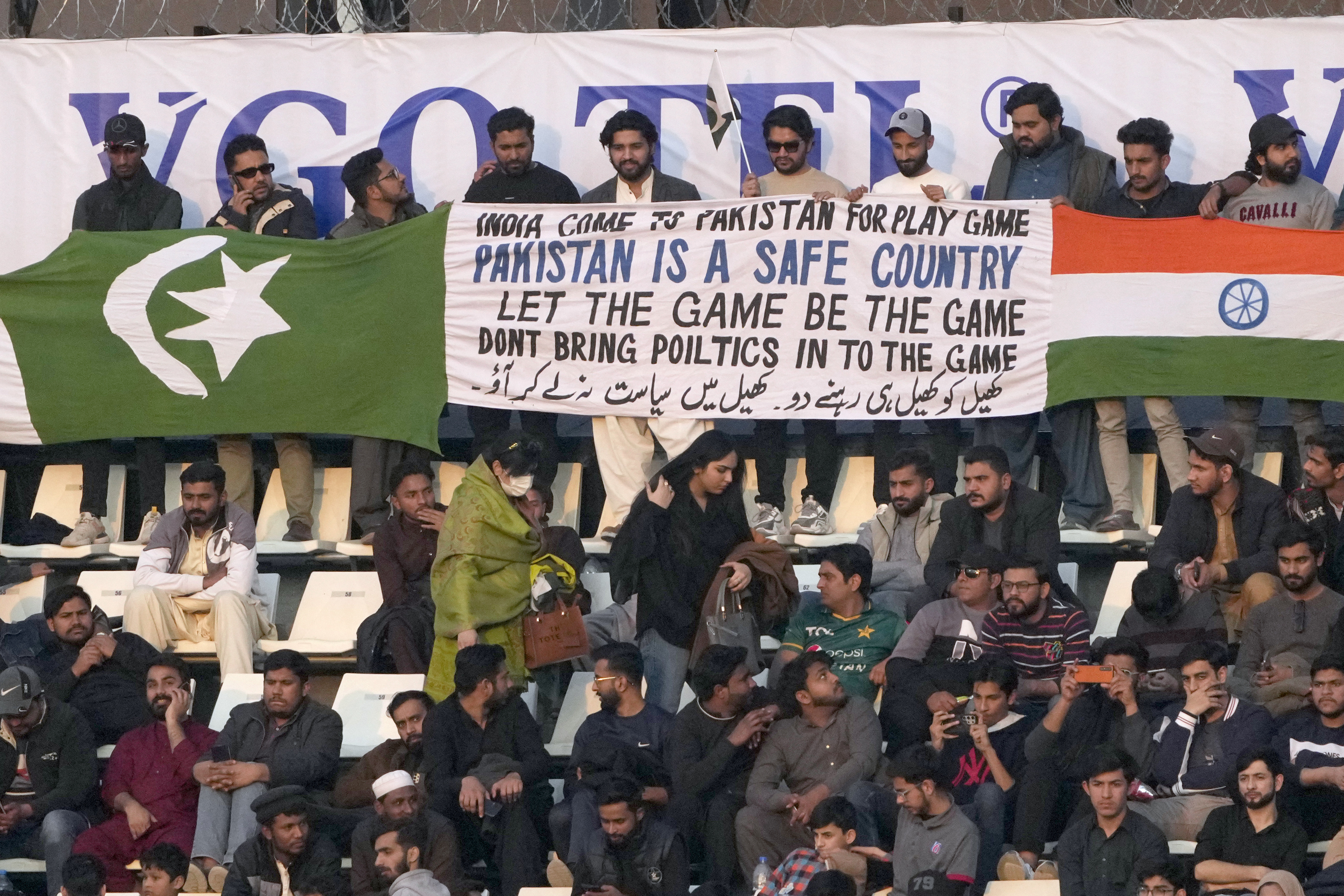
| Passion, politics and patriotism meld as Pakistan and India clash |
Group A included Pakistan, India, New Zealand, and Afghanistan. Pakistan lost to New Zealand by 60 runs in Karachi. The rain-affected match against Afghanistan gave them just one point. The most devastating defeat came against India in Dubai: chasing 241, Pakistan collapsed, and Rohit Sharma (89) and Virat Kohli (75) led India to a six-wicket victory.
Pakistan finished bottom with a net run rate of -1.087. Despite home advantage, batsmen struggled and bowlers could not defend totals.
Captain Shaheen Afridi admitted: “We failed the country. No excuses.” Fans and politicians criticized the PCB and suggested structural reforms.
Batting Failures and Collapses Under Pressure:
Pakistan's batting in 2025 often collapsed under pressure. Scores below 250 resulted in only a 40% win rate due to middle-order failures. Against spin, Pakistan lost an average of 4.2 wickets per match. Players like Fakhar Zaman and Imam-ul-Haq frequently fell to turning deliveries.
T20Is were similar: low powerplay scores and loose death overs reflected lack of planning and mental resilience.
Ramiz Raja commented: “Our batsmen play for themselves, not the team. No partnerships, no resilience.”
Frequent Leadership and Coaching Changes:

Coaches like Gary Kirsten resigned citing PCB interference. Short stints by Jason Gillespie and Aqib Javed were followed by Mike Hesson for white-ball cricket. Players reported confusion over tactics, roles, and expectations. Continuous changes impacted preparation and morale, reducing confidence during key tournaments.
PCB Mismanagement and Political Interference:

Coaches cited interference as reasons for resignation. Fans protested outside PCB offices, and social media campaigns like #SackPCB went viral.
Shoaib Akhtar remarked: “Cricket in Pakistan is being killed by bad management.” PCB mismanagement amplified on-field failures despite existing talent.
Upcoming T20 World Cup 2026:

Preparation includes T20I series in Sri Lanka and home matches against Australia. Coach Mike Hesson focuses on fitness, clear tactics, and mental toughness. Key players like Babar and Rizwan face do-or-die pressure; strong performances can restore reputations, while failure may trigger team restructuring. Partnerships, powerplay performance, and death-over execution will be critical.
Players Under the Spotlight:
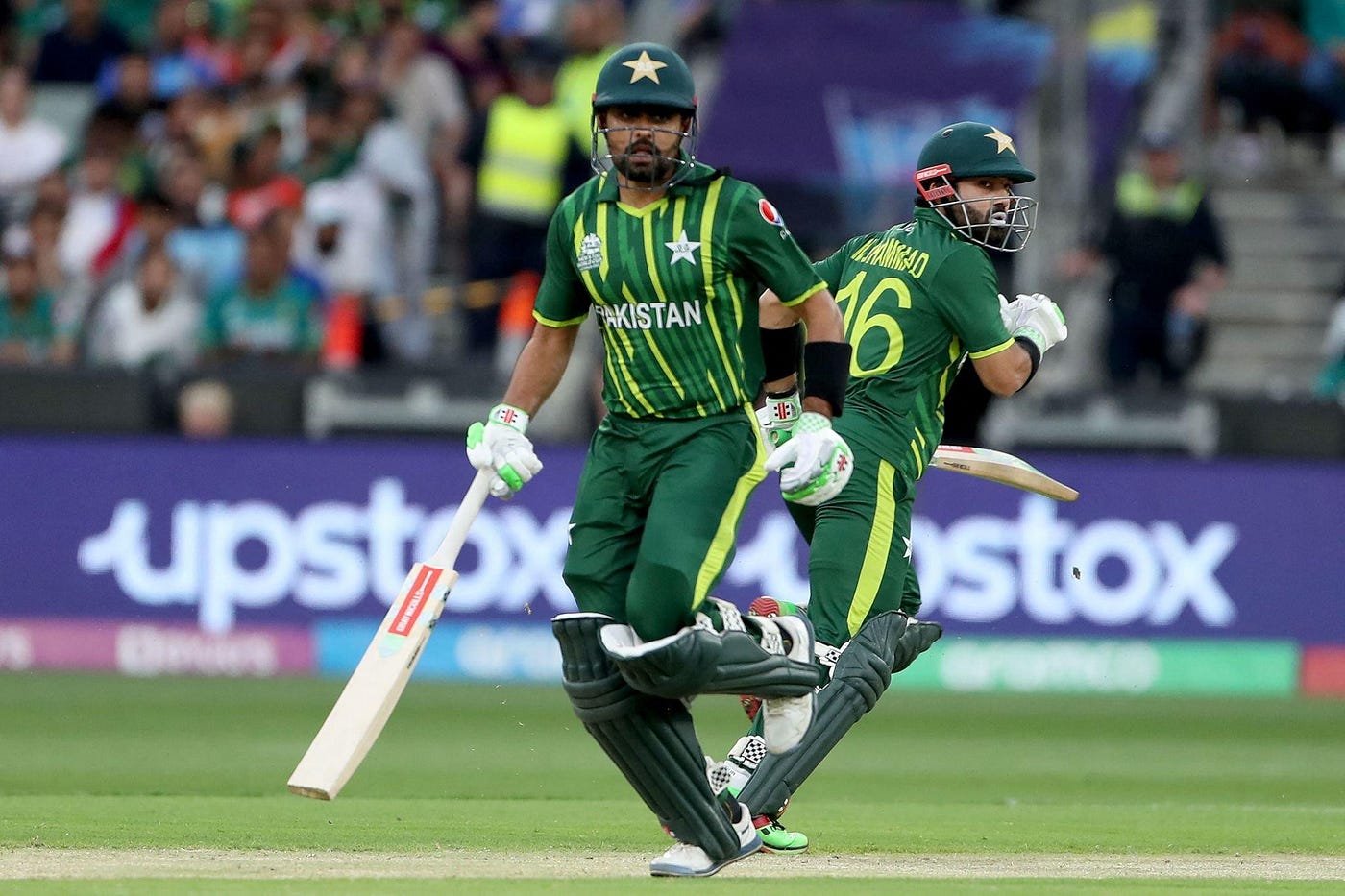
Analysts noted Pakistan's reliance on top-order stars without strong middle order or bench strength created vulnerabilities. To succeed in the T20 World Cup, these players must regain form, handle pressure, and build partnerships on and off the field.
Fan Frustration and Media Backlash:
Fans expressed massive frustration after repeated failures in 2025. Hashtags like #SackPCB and memes mocking batting collapses went viral. Attendance declined, and protests outside PCB offices reflected public discontent. Media experts criticized the lack of strategy, execution, and mental resilience. Shoaib Akhtar said: “Pakistan cricket requires radical change.”
Players faced psychological pressure due to scrutiny, leading to performance dips. Restoring fan confidence requires consistent performance, transparent communication, and disciplined team strategy.
Reference: Facing the Hard Truths of Modern T20
Pakistan cricket needs to confront the realities of modern T20 cricket, including pressure on players, team strategy, and performance expectations. For more details, read the full article here.
Conclusion:
Pakistan cricket in 2025 faced a perfect storm: poor performance, leadership instability, PCB mismanagement, player form issues, and fan frustration. Despite these challenges, talent exists in players like Babar Azam, Shaheen Afridi, Mohammad Rizwan, Saim Ayub, and Haris Rauf. The T20 World Cup 2026 offers a critical redemption opportunity. Stable leadership, mental toughness, merit-based selection, fitness focus, and professional administration can help Pakistan restore confidence, pride, and performance.
Frequently Asked Questions(FAQs):
1. What is the reason cricket in Pakistan is under immense pressure?
The pressure on Pakistan cricket is due to poor performances in 2025, unstable leadership, frequent coaching changes, PCB mismanagement, and expectations ahead of the T20 World Cup 2026.
2. Who are the main stakeholders under scrutiny?
Babar Azam, Mohammad Rizwan, Shaheen Afridi, and young talents like Saim Ayub and Azam Khan are under observation due to their past performances and ability to influence key matches.
3. How did Pakistan perform in the 2025 Champions Trophy?
Pakistan exited the group stage without a win, losing to India and New Zealand, highlighting batting collapses, tactical errors, and poor pressure management.
4. What are the key reasons for Pakistan’s struggles?
Unstable leadership, lack of mental toughness, PCB interference, inconsistent batting and bowling, and injuries to key players.
5. How can Pakistan improve before the T20 World Cup 2026?
Consistent leadership and coaching, merit-based player selection, fitness and mental conditioning, strengthening domestic cricket (PSL and academies), detailed strategies for batting, bowling, and fielding, and transparent communication with fans.
6. Can Pakistan cricket be resurrected?
Yes. Pakistan has talented, experienced, and emerging players. With planning, preparation, and stability, the team can turn pressure into performance and restore national pride in upcoming tournaments.


0 Comments